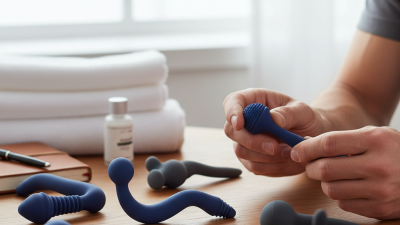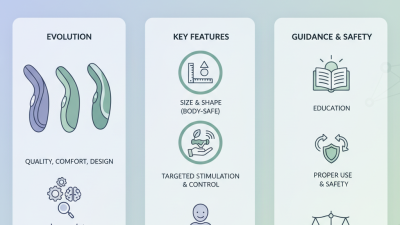
Exploring a Prostatic Orgasm can begin with curiosity, patience, and realistic expectations. The prostate is a small gland located beneath the bladder, near the front wall of the rectum. Some people describe stimulation there as deep pressure, warmth, or waves spreading through the pelvis. Others feel little pleasure. Both responses are normal.
This beginner’s guide focuses on informed, body-safe exploration rather than guaranteed results. Consent should remain clear, enthusiastic, and changeable, especially when using a partner. Clean hands, trimmed nails, and generous body-safe lubricant can reduce irritation. A clean, smooth, purpose-designed toy with a flared base may provide better control than improvised objects. Go slowly.
Comfort matters most.
Many beginners need time to recognize unfamiliar sensations. Gentle external touch, relaxed breathing, and communication can help the pelvic floor release tension. Never force insertion, chase pain, or ignore bleeding, numbness, dizziness, or persistent discomfort. Stop when something feels wrong. Seek medical advice before experimenting if you have rectal injury, active hemorrhoids, unexplained pelvic pain, or recent surgery.
Reliable sexual-health guidance supports gradual, consensual practice, but research on prostate-focused orgasm remains limited. Personal experience is valuable, yet it is not medical proof. This guide may simplify some details, and its advice cannot replace a qualified clinician’s assessment. Your body may respond differently from online accounts. That is not failure. The goal is safer awareness, honest communication, and pleasure that remains comfortable throughout the experience.
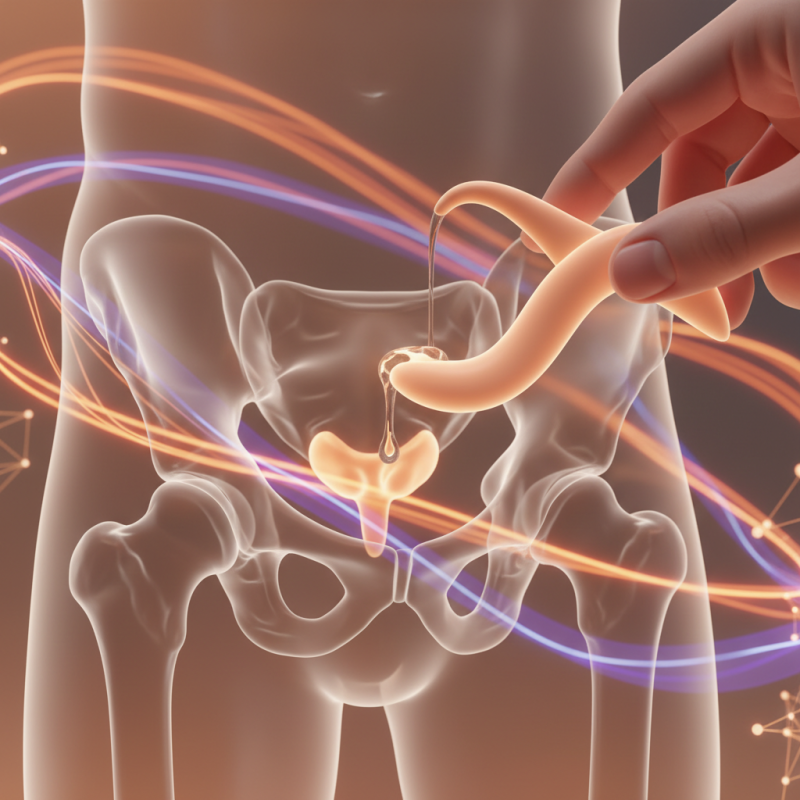
What Is Prostatic Orgasm and How Does It Differ From Other Orgasms?
A prostatic orgasm comes from stimulating the prostate, a small gland located below the bladder. It can be reached through the rectum, where the prostate may feel like a firm, rounded area toward the front wall. Unlike many penile orgasms, it may feel deeper, warmer, or spread through the pelvis. Some people notice stronger pelvic contractions, while others feel a slower, less localized response.
It is not a required skill, and not everyone enjoys it. Penile orgasms often involve direct stimulation of the penis and may happen with ejaculation. Prostatic orgasms can occur without ejaculation, although the two experiences may overlap. The nervous system, pelvic floor, emotions, and personal anatomy all influence the result. Assuming one “correct” sensation can create unnecessary pressure. Bodies are less predictable than guides suggest.
Tips: Begin slowly, use generous water-based lubricant, and keep hands clean with short nails. Relaxation matters more than force. Stop if there is sharp pain, numbness, or bleeding. Never continue through discomfort. People with anal fissures, hemorrhoids, recent surgery, or unexplained pelvic pain should ask a qualified healthcare professional first. Consent should remain clear throughout, even during solo exploration.
This chart summarizes the current level of human research evidence rather than orgasm frequency or intensity. General orgasm physiology is well documented, including autonomic nervous-system activity and rhythmic pelvic-floor contractions. A distinct, prostate-specific orgasm pattern has not yet been established through validated clinical criteria or large controlled studies.
Evidence scale: 0 = not established as a unique feature, 1 = limited or indirect evidence, 2 = moderate evidence, 3 = well-established in human sexual-response research.
Sources: Masters and Johnson, Human Sexual Response; Holstege et al., “Brain Activation During Human Male Ejaculation,” Journal of Neuroscience; peer-reviewed research on pelvic-floor activity and sexual response.
2026 Best Prostatic Orgasm Guide for Beginners
The prostate is a small gland below the bladder, near the front wall of the rectum. It surrounds part of the urethra and contributes fluid to semen. Gentle pressure there may create fullness, warmth, or a deep rhythmic sensation. Some people notice an urge to urinate first. Others feel little or nothing. Both responses are normal. Pleasure depends on arousal, relaxation, pelvic-floor tension, and personal anatomy. It is not a guaranteed experience.
Tips: Use clear consent, clean hands, trimmed nails, and generous lubricant. Go slowly, pause often, and communicate about pressure. A barrier can support hygiene. Stop with sharp pain, bleeding, numbness, or persistent discomfort. Recent rectal surgery, active hemorrhoids, unexplained pelvic pain, or prostate symptoms deserve medical advice before experimentation. Never ignore the body.
A common mistake is expecting an immediate, dramatic orgasm. That expectation can tighten the pelvic floor and reduce comfort. Start with external relaxation, steady breathing, and patience. The most comfortable angle may change with posture. Some people prefer indirect stimulation, while others prefer gentle internal contact. Avoid forcing depth or speed. If pleasure becomes confusing, take a break and reassess. Personal experience matters, but it is not medical evidence. A clinician can help distinguish normal sensitivity from prostatitis or another condition.
| Topic | Evidence-Based Information | What a Beginner May Notice | Practical Considerations |
|---|---|---|---|
| Prostate location | The prostate is a gland located below the bladder and in front of the rectum. It surrounds part of the urethra and contributes fluid to semen. | Pressure or fullness may be felt in the pelvic area, although sensation differs widely among individuals. | Basic pelvic anatomy can help set realistic expectations; the prostate is not equally sensitive for everyone. |
| Nearby structures | The rectum, pelvic-floor muscles, urethra, bladder, and reproductive organs are located near the prostate. | Sensations may feel diffuse rather than limited to one precise point. | Gentle, controlled contact is important because nearby tissues can be sensitive or easily irritated. |
| Typical sensation | Reported sensations range from pressure and warmth to pleasurable pelvic contractions. Some people experience little or no pleasure. | Pleasure may build gradually and may feel different from stimulation focused on the penis. | There is no single “correct” sensation or required outcome. |
| Orgasm response | Orgasm involves coordinated activity in the brain, nerves, pelvic-floor muscles, and reproductive system. Prostatic stimulation does not guarantee orgasm. | Some people notice stronger pelvic contractions, while others notice no meaningful difference. | Avoid treating orgasm as a performance goal; comfort and consent should remain the priority. |
| Individual variation | Sensitivity varies with anatomy, nerve response, previous experience, medications, stress, and personal preference. | One person’s experience may not predict another person’s experience. | Proceed slowly and use personal feedback rather than comparisons or fixed expectations. |
| Relaxation | Stress and involuntary pelvic-floor tension can make internal contact uncomfortable. | Tension, guarding, or difficulty relaxing may occur, especially during a first attempt. | Stop if discomfort increases. Relaxation, communication, and adequate time are more important than speed. |
| Lubrication | The rectum does not produce natural lubrication comparable to vaginal lubrication, so friction can occur. | Insufficient lubrication may cause burning, soreness, or irritation rather than pleasure. | Use a suitable personal lubricant and reapply as needed. Check product compatibility with any barrier or device. |
| Communication and consent | Sexual activity should be voluntary, informed, and reversible at any time. | Clear communication can reduce anxiety and help identify comfortable pressure and pace. | Agree on boundaries and a stop signal before beginning; consent must continue throughout. |
| Hygiene | The rectum contains bacteria, and small tissue injuries can increase the risk of infection transmission. | Minor irritation may occur if hygiene, lubrication, or technique is inadequate. | Wash hands, keep fingernails short and smooth, clean reusable items according to their instructions, and avoid moving directly from the anus to the vagina without changing protection and cleaning. |
| Barrier protection | Condoms and gloves can reduce exposure to bodily fluids and help prevent transmission of sexually transmitted infections. | Barrier use may also make cleanup easier and provide reassurance. | Use a new barrier for each partner or activity and follow the lubricant compatibility guidance. |
| Pain or bleeding | Pain is not a requirement for pleasurable stimulation. Bleeding can indicate irritation, a tear, hemorrhoids, or another medical issue. | Sharp pain, persistent soreness, or more than minimal spotting should be treated as warning signs. | Stop immediately. Seek medical care for significant, recurrent, or persistent bleeding, severe pain, fever, or discharge. |
| Medical conditions | Active hemorrhoids, anal fissures, rectal inflammation, recent surgery, unexplained pelvic pain, or prostate conditions may require medical advice first. | Existing symptoms may worsen with pressure or friction. | Consult a qualified healthcare professional if any relevant condition or symptom is present. |
| Medications and health factors | Antidepressants, some blood-pressure medicines, hormonal changes, neurological conditions, fatigue, and alcohol or drug use can affect arousal or orgasm. | Pleasure or orgasm may be delayed, reduced, or inconsistent. | Do not stop prescribed medication without medical guidance; discuss persistent sexual side effects with a clinician. |
| Beginner expectations | There is no medically required duration, frequency, or technique for exploring prostatic sensation. | The first experience may involve curiosity, neutral sensations, or gradual learning rather than orgasm. | Prioritize comfort, communication, and stopping when needed instead of following online claims or performance targets. |
General educational information only. Individual experiences vary, and persistent pain, bleeding, discharge, fever, or urinary symptoms should be evaluated by a qualified healthcare professional.
Prostatic pleasure begins with informed, enthusiastic consent between all adults involved. Discuss boundaries, expectations, and a clear stop signal before touching. Consent can change at any moment. Being sober helps everyone notice discomfort and communicate clearly. A first attempt may feel awkward, and that is normal.
Clean hands, trimmed nails, and gentle washing support safer exploration. Avoid harsh soaps inside the rectum, because they may irritate sensitive tissue. Use a generous amount of body-safe lubricant and reapply when needed. A glove can reduce friction and simplify hygiene. Never use an object without a broad, secure base. Keep toys and fingers clean, especially when moving between body areas.
Begin slowly with external relaxation, steady breathing, and constant communication. The prostate may feel like a small, sensitive area toward the front wall of the rectum, but anatomy differs. Pressure should remain gentle, not forceful. Pain, sharp discomfort, numbness, dizziness, or bleeding means stopping. Persistent pain or bleeding needs medical attention. People with rectal injuries, active infections, recent surgery, or certain prostate conditions should ask a qualified clinician first. Pleasure is not guaranteed, and chasing a specific result can create unnecessary pressure. I would treat curiosity as the goal, not performance.
Begin only when every participant is an informed, consenting adult. Talk about boundaries, comfort signals, and a clear stop word before touching. The prostate sits several centimeters inside the rectum, toward the front wall. It may feel sensitive, but pressure should never be forced. Clean hands, trimmed nails, and a barrier can reduce infection risks. Use plenty of body-safe lubricant.
Go slowly. Relax your breathing, explore external touch, and pause when your body tightens. If internal stimulation feels comfortable, use one lubricated, gloved finger with a short nail. Move gently toward the navel, without scraping or sudden pressure. A purpose-built toy should have a wide, secure base so it cannot slip inside. Start with stillness rather than vigorous movement. Less can be more.
Pain, sharp discomfort, bleeding, dizziness, or numbness means stop immediately. Mild pressure can be normal; pain is not a goal. Avoid stimulation during active hemorrhoids, rectal injury, or unexplained bleeding, and seek medical advice when symptoms persist. A prostate orgasm is not guaranteed, especially during a first attempt. The first session may feel awkward. That is useful information, not failure. Notice what felt safe, what felt unclear, and adjust slowly next time. Never use alcohol or drugs to reduce awareness during sexual activity.
A prostatic orgasm can feel unfamiliar, and comfort matters more than reaching a specific result. Beginners often apply too much pressure or move too quickly. Start slowly, with clear consent and a relaxed setting. Clean hands, trimmed nails, and generous water-based lubricant can reduce irritation. A glove may also help protect delicate tissue.
Pain is not a challenge to overcome. Stop if you notice sharp pain, bleeding, numbness, or lasting discomfort. Avoid numbing products because they can hide warning signals. Gentle external touch and gradual insertion may help the body adjust. Never use an object without a wide base, since it could become difficult to remove. Avoid practice during active hemorrhoids, anal fissures, or unexplained rectal pain. A healthcare professional can offer private, reliable advice.
Many people expect immediate, intense pleasure and become tense when it does not happen. That expectation can make relaxation harder. The prostate may feel sensitive, but sensation differs greatly between individuals. Pressure that feels mild for one person may feel unpleasant for another. Keep communication specific: “slower,” “less pressure,” or “stop.” I would not treat online techniques as universal rules. Bodies vary, and early attempts can feel awkward. Reflect afterward on what felt comfortable, what caused tension, and what should change next time. Safety remains more important than performance.