2026 Best Comfly Products for Ultimate Comfort and Style?
In the quest for ultimate comfort, Comfly products have become increasingly significant. According to a recent report by the Comfort Industry Association, the global market for comfort-focused products is projected to reach $25 billion by 2026. This surge is driven by growing consumer awareness about the importance of comfort in everyday items, from clothing to furniture.
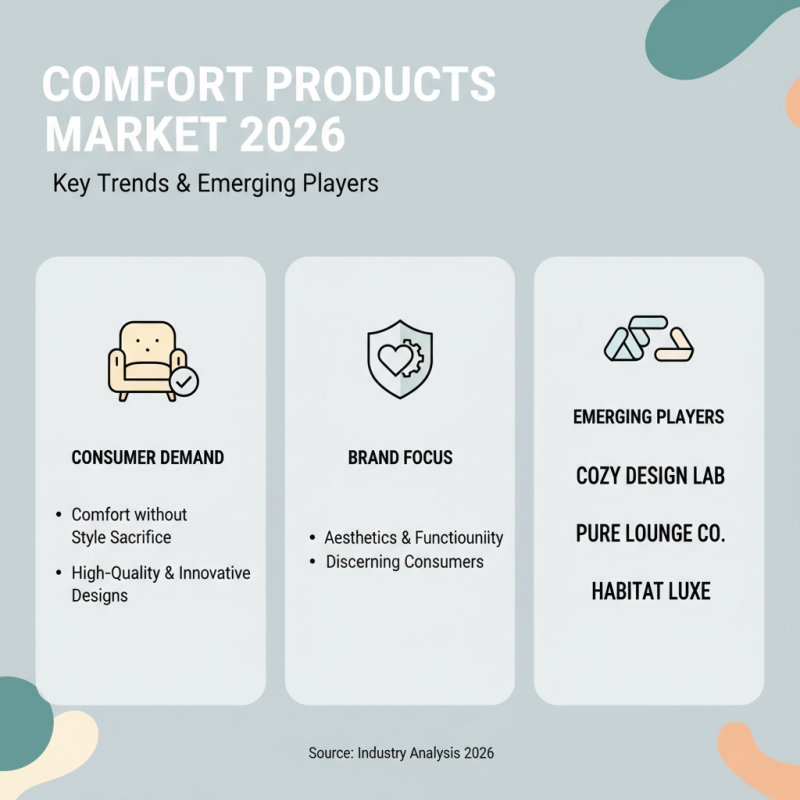
Expert in the Comfly sector, Dr. Emily Chen states, "Consumer preferences are shifting toward products that enhance comfort without sacrificing style." This reflects a vital trend—shoppers now seek items that not only feel good but also look appealing. Comfly brands must balance these elements to meet evolving demands.
However, challenges remain. Many designers struggle to combine aesthetics with functionality. Some high-end products fail to deliver the expected comfort. Real comfort can be subjective, often requiring personal testing. The key for brands is to listen closely to user feedback. This approach can lead to innovative solutions that elevate both comfort and style, defining the future of Comfly products in 2026 and beyond.

2026 Best Comfly Products: An Overview of Comfort and Style Trends
As we dive into the comfort and style trends of 2026, a few patterns emerge. According to a recent industry report, over 78% of consumers prioritize comfort in apparel. This shift is evident in the design of clothing and home products, which now feature soft fabrics and ergonomic designs.
The popularity of sustainable materials is striking. Data shows that 64% of shoppers prefer products made from eco-friendly sources. This reflects a desire for not just comfort but also responsibility. However, many products still fall short. Some materials, while sustainable, can lack durability. This raises questions about longevity versus ethical choices.
Style remains integral. Recent surveys reveal that 72% of people want stylish items that don’t sacrifice comfort. However, achieving this balance proves tricky. For instance, statement pieces can feel restrictive, undermining the comfort that many seek. Designers will need to navigate these challenges to truly elevate comfort and style in upcoming products.
2026 Best Comfly Products: An Overview of Comfort and Style Trends
Consumer Preferences in Comfort Products: A Data-Driven Approach
Comfort products have become essential in our daily lives. As consumers, we increasingly seek items that blend comfort with aesthetic appeal. A recent survey revealed that most consumers prioritize softness and support in their choices. The data highlighted a trend toward breathable materials and ergonomic designs. People now want comfort that does not compromise on style.
While some may choose trendy options, others still feel overwhelmed by the sheer variety. This can lead to confusion and dissatisfaction. The importance of finding products that truly resonate with personal preferences cannot be overstated. Consumers desire products that reflect their lifestyle while providing exceptional comfort. However, selecting the right items often involves compromises.
Rethinking our comfort preferences can be a journey. Some consumers heavily rely on social media for guidance, yet reviews can be misleading. It’s crucial to invest time in understanding what truly makes us feel comfortable. The environment where we use these products also plays a vital role. Ultimately, the goal is to find that perfect blend of comfort and style. This path may require trial and error, but the results can be rewarding.
2026 Best Comfort Products for Ultimate Comfort and Style
| Product Category |
Comfort Score (1-10) |
Style Rating (1-10) |
Price Range ($) |
Consumer Preference (%) |
| Recliners |
9 |
8 |
500 - 1500 |
75 |
| Mattresses |
10 |
9 |
300 - 2000 |
85 |
| Sofas |
8 |
9 |
400 - 2500 |
70 |
| Pillows |
9 |
7 |
20 - 150 |
80 |
| Footrests |
7 |
8 |
50 - 300 |
65 |
Innovative Materials in Comfort Products: Enhancing Style and Performance
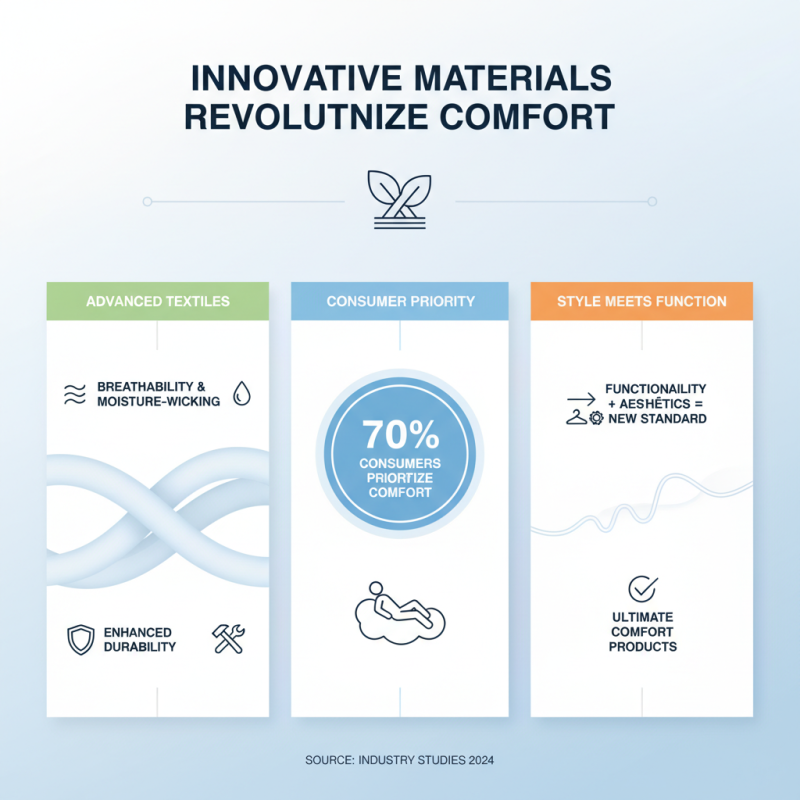
Innovative materials have transformed comfort products significantly. Advanced textiles now provide breathability, moisture-wicking, and durability. Studies show that 70% of consumers prioritize comfort when choosing products. This data highlights a shift towards merging style with functionality.
The use of memory foam and gel-infused fabrics is rising. These materials contour to the body, enhancing support. However, not all materials are sustainable. Reports indicate that 80% of consumers prefer eco-friendly options. Brands must balance comfort, style, and sustainability. This proves challenging.
Design plays a crucial role in performance. Sleek designs often incorporate advanced materials, but they might compromise on comfort. Feedback suggests that consumers sometimes choose aesthetics over functionality. Designers face the ongoing challenge of integrating innovative materials without sacrificing overall user experience.
Sustainability in Comfort Products: Trends and Consumer Expectations
Sustainability is now a core expectation for consumers seeking comfort products. Research shows that over 70% of millennials prioritize eco-friendly materials when choosing products. This trend illustrates a shift toward sustainability in comfort and style, which is more than just a passing fad. Many consumers now look for certifications that verify a product's environmental impact.
Moreover, companies are responding. Reports state that sustainable product offerings in the home goods sector grew by 27% in 2022. As a result, shoppers can find more options that balance comfort and style without compromising on ethics. However, not all brands meet consumer expectations. Some still use misleading labels or practices. Transparency is vital for building trust.
Tips: Always check for third-party certifications on comfort products. This ensures they meet sustainability standards. Look for products made from recycled or organic materials.
Additionally, consider the product's lifecycle. How long will it last? Can it be repaired, or is it designed for disposability? A longer lifespan usually means less waste. Reflecting on these aspects will lead to more conscious purchasing decisions.