Comfly Tips for Better Travel Experiences You Need to Know?
Traveling can be a joyful yet stressful experience. With the right tips, like those from Comfly, you can enhance your journey. According to a recent study by the Global Business Travel Association, 63% of travelers report feeling stress before their trips. Knowing how to navigate this stress can transform your experience.
Consider packing strategically. Many travelers forget essential items, which creates unnecessary hassle. Comfly emphasizes creating a checklist. This small step can reduce anxiety and lead to smoother travels. In fact, a report from the International Air Transport Association found that 27% of delays are due to luggage issues. Being prepared is key.
Furthermore, staying informed about flight updates is crucial. Airlines often change schedules, and missing these notifications can lead to missed flights. Comfly encourages using travel apps for real-time updates. However, it’s important to remember that technology can fail sometimes. Reflect on your travel experiences and always have a backup plan. These insights can ultimately lead to more enjoyable trips.

Essential Packing Tips for Stress-Free Travel
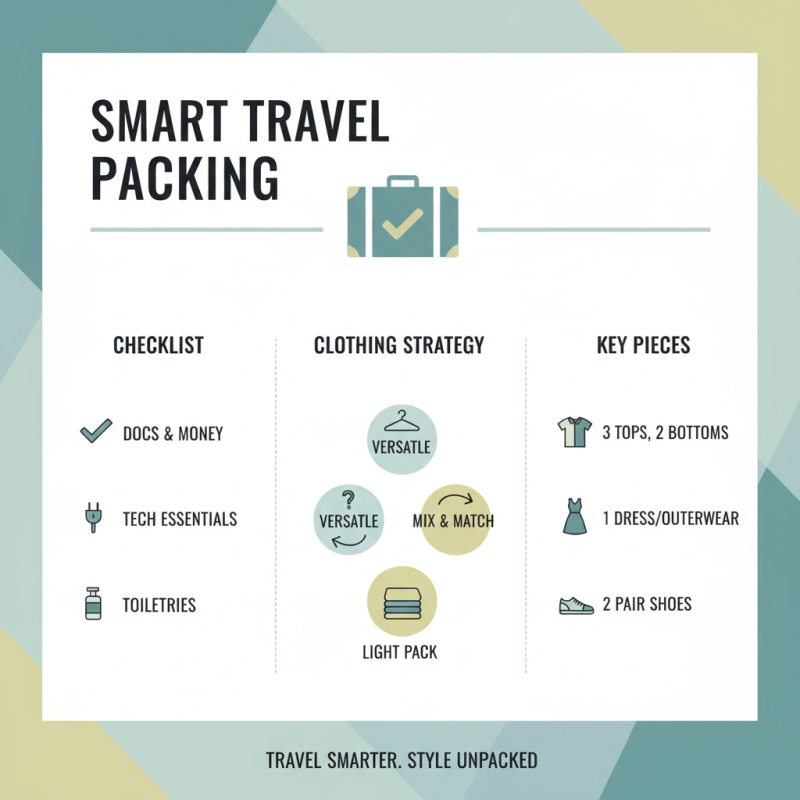
Packing for travel can be overwhelming. It’s easy to forget essentials or overpack. Start by creating a checklist. Write down what you really need. Focus on versatile clothing that can be mixed and matched. This helps you pack light and stay stylish.
When choosing luggage, consider size and weight. A smaller bag is often easier to manage. Remember to check baggage limits if you’re flying. Packing cubes can be a game changer. They keep items organized and save space. However, you may still find things at the bottom you forgot about.
Don’t forget to pack travel documents and chargers in an accessible pocket. That way, you don’t have to rummage through your bag. Sometimes, the stress comes from last-minute packing. Start well in advance, and reflect on what items you actually use. Traveling should be fun, not a test of memory or endurance.
Navigating Airports Like a Pro: Tips and Tricks
Navigating airports can be daunting, especially with the increasing number of travelers. According to industry reports, airports see over over 4 billion passengers annually, making efficiency crucial. Missing your flight due to long security lines or confusion can be frustrating. So, how can you navigate like a pro?
One effective tip is to arrive early. Experts suggest arriving at least two hours before domestic flights and three hours before international ones. This buffer allows time for unforeseen delays. Also, familiarize yourself with the airport layout ahead of time. Many airports offer online maps. Knowing where to go can save precious minutes that you might need later.
Another useful trick is to pack smartly. Keep your essential items—like your ID and boarding pass—easy to reach. Use clear bags for toiletries to speed up the security process. A staggering 30% of travelers report issues at security checkpoints due to poor packing. Lastly, don’t hesitate to ask airport staff for help. They can provide valuable information and shorten your wait times.
Staying Healthy and Safe While Traveling
Traveling brings excitement but can also lead to health risks. According to the World Health Organization, nearly 1 in 10 travelers experience illness while abroad. Keeping healthy is essential, especially when visiting unfamiliar places. Small changes can make a big difference. For instance, drinking bottled water and avoiding tap water can prevent waterborne illnesses. Simple precautions like these are essential.
In busy airports and public transport, the risk of infection rises. Research shows that 58% of travelers neglect to wash their hands regularly. Hand hygiene is critical. Carrying hand sanitizer is a good idea, especially after touching common surfaces. Consider the use of face masks in crowded areas. It’s a small effort but can dramatically reduce the risk of respiratory infections.
Mental health is often overlooked when traveling. Being away from home can add stress. It's okay to feel overwhelmed at times. Taking breaks during long travels can help. Studies indicate that 40% of travelers return stressed. Finding local cafes or quiet spaces can provide much-needed relief. Plan ahead, but don’t be too hard on yourself if things don’t go perfectly. Reflecting on the experience can lead to better travels next time.
Comfly Tips for Better Travel Experiences You Need to Know
| Tip |
Description |
Health & Safety |
| Stay Hydrated |
Drink plenty of water during your travels to prevent dehydration and fatigue. |
Avoid drinking tap water in unfamiliar locations. |
| Practice Good Hygiene |
Wash your hands regularly with soap or use hand sanitizer. |
Reduce the risk of infections and illnesses. |
| Keep Your Medications Handy |
Always carry necessary medications in your carry-on luggage. |
Prevent delays in case of lost luggage. |
| Stay Informed |
Research your destination’s health risks, vaccination requirements, and safety tips. |
Be prepared for potential health issues. |
| Eat Wisely |
Opt for freshly prepared foods and avoid street food if unsure of its safety. |
Lower the risk of stomach issues. |
Local Etiquette and Customs to Enhance Your Experience
Understanding local etiquette can significantly enhance your travel experience. For instance, respecting greeting customs is vital. In many cultures, a simple handshake or bow can convey respect. Ignoring this might lead to misunderstandings. According to a study by the Travel Association, nearly 70% of travelers report feeling disconnected due to cultural missteps.
Dining customs also vary widely. In some countries, finishing all your food is a compliment. In others, it can signal that you're still hungry. Knowing these nuances can make meals more enjoyable. Research shows that tourists integrating local dining practices tend to have more positive experiences. They often feel more welcomed and engaged.
Finally, dress codes are important in many regions. For instance, wearing modest clothing in places of worship is crucial. Many travelers overlook this aspect, resulting in uncomfortable situations. A survey from Cultural Insights found that about 60% of travelers who researched local dress codes felt more at ease during their trip. Awareness of these practices leads to deeper cultural appreciation.
Comfly Tips for Better Travel Experiences: Local Etiquette and Customs