What Is Comfly and What Type of Company Is It?
What is Comfly, and what type of company stands behind the name? This question deserves more than a quick product description. Comfly is commonly associated with home-environment appliances, including dehumidifiers, air purifiers, and related indoor comfort equipment. Its business appears focused on practical consumer technology, not on one isolated device. The brand’s products target everyday problems such as excess moisture, stale air, and uncomfortable rooms.
Clear evidence matters here. Product categories, official company information, retail listings, warranty policies, and customer support can reveal how Comfly operates. They also help distinguish a manufacturer from a private-label seller or a broader technology company. The answer may not fit one perfect category. That uncertainty is worth acknowledging.
Brand strategist Marty Neumeier wrote, “A brand is not what you say it is. It’s what they say it is.” His observation helps explain Comfly’s position. A company can describe itself as innovative, while buyers judge performance through noise levels, water-tank capacity, energy use, reliability, and after-sales service. Small details matter.
This article examines Comfly’s business identity, product focus, market role, and customer-facing practices. It also considers where available information remains incomplete. That is important because online descriptions can overstate expertise. Real evaluation requires consistent specifications, transparent policies, and dependable performance. Comfly may be an appliance-focused consumer brand, but its exact corporate structure deserves careful verification. The evidence should lead the conclusion, not the marketing language.
What Is Comfly?
What Is Comfly?
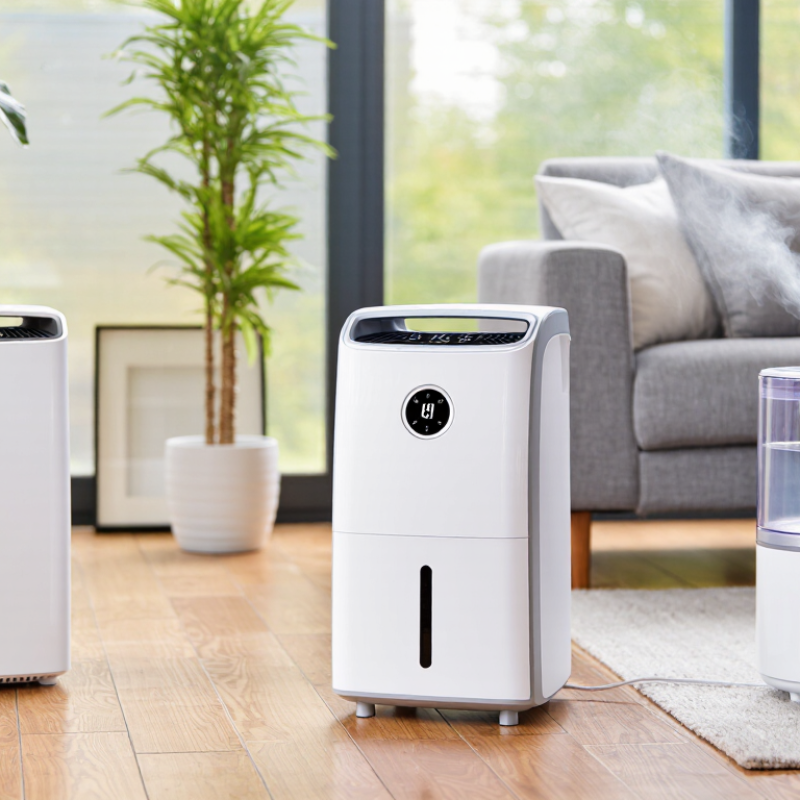
Comfly is a home-appliance company focused on indoor air management. Its product range is associated with dehumidifiers, air purifiers, and related comfort equipment. These devices target ordinary spaces, such as bedrooms, basements, offices, and laundry rooms. A typical dehumidifier removes moisture into a visible water tank. That small detail matters during humid nights.
Comfly operates in a growing market. Fortune Business Insights reported that the global air purifier market reached about 13.46 billion dollars in 2022. The same report projects growth to approximately 23.83 billion dollars by 2030. The company’s position reflects wider demand for cleaner and more comfortable indoor air. However, market growth does not prove every product performs equally well.
Performance requires careful checking. Buyers should compare extraction capacity, airflow, filter design, noise levels, and energy use. The U.S. Department of Energy notes that appliance efficiency can affect long-term household costs. A unit may look powerful on a product page, yet perform differently in a cold basement. That is the uncomfortable part. Real rooms are rarely laboratory rooms. Independent testing, warranty terms, and replacement-filter availability deserve attention before purchase.
What Is It and What Type of Company Is It?
| Business Dimension |
Overview |
Practical Meaning |
| Company Type |
Consumer-focused product company |
It develops and sells products intended for household and individual use. |
| Primary Industry |
Home appliances and indoor environmental comfort |
Its product focus is associated with improving comfort and air conditions in residential spaces. |
| Main Product Focus |
Indoor air-quality and climate-control equipment |
Typical product functions may include moisture management, air circulation, filtration, or humidity control. |
| Target Customers |
Households, renters, homeowners, and small-space users |
The products are positioned for everyday residential needs rather than highly specialized industrial applications. |
| Business Model |
Product sales through online and retail channels |
Revenue is generally generated from the sale of finished consumer products and related after-sales services. |
| Market Position |
Value-oriented consumer appliance provider |
The offering is designed to combine practical household functions with accessible purchasing options. |
| Sales Approach |
Digital-first and marketplace-supported distribution |
Customers can typically research products, compare specifications, and complete purchases online. |
| Product Evaluation Factors |
Performance, energy use, noise level, coverage, and maintenance |
These are key factors consumers commonly consider when selecting indoor comfort equipment. |
| Overall Classification |
Consumer home-appliance business |
In simple terms, it belongs to the consumer-goods sector and focuses on practical products for residential indoor environments. |
The Origins and Development of Comfly
What Is Comfly and What Type of Company Is It?
The Origins and Development of Comfly
Comfly is presented as a consumer-focused technology company serving the home-comfort market. Its development appears linked to practical household needs, including cleaner air, easier maintenance, and compact product design. Public information about its early history remains limited. That gap matters. A reliable company profile should separate documented facts from marketing claims.
The wider market helps explain Comfly’s direction. Fortune Business Insights valued the global air-purifier market at about 14.07 billion dollars in 2023. It projects the market to reach 21.14 billion dollars by 2030. The report identifies indoor air concerns, urban living, and smart-home adoption as major growth factors. Euromonitor also reports rising consumer interest in convenient, health-related home technologies. Comfly’s progress seems to reflect these changes, moving from basic equipment toward more accessible and user-focused solutions. Its exact development path is not perfectly clear, and independent verification would strengthen its credibility.
Tips: Check technical specifications, warranty terms, filter costs, and independent performance tests. Do not rely on appearance alone. Compare noise levels in decibels and energy use over a full year. Also, verify whether published laboratory results match everyday household conditions.
Comfly’s Business Model and Industry Position
The company appears to follow a service-oriented business model supported by digital communication and practical customer solutions. Its operations likely connect product development, online sales, technical support, and after-sales assistance. This structure can reduce distance between the provider and the buyer. It also creates more direct feedback from daily users.
Its industry position seems linked to convenience, accessibility, and specialized service rather than simple price competition. A customer may compare product details online, ask questions through digital channels, and expect quick delivery or support. These small moments shape trust. Strong documentation, clear specifications, and responsive service therefore become commercial assets. The company’s performance depends on more than selling an item.
There is room for caution. Public information may not fully reveal its revenue mix, regional strength, or long-term investment plans. That makes confident industry rankings difficult. A careful assessment should examine product consistency, customer feedback, supply reliability, and compliance practices over time. Experience shows that attractive online presentation is not enough. Real business strength appears in repeated service quality, transparent communication, and the ability to correct mistakes when operations fall short.
Comfly’s Main Products, Services, and Customers
The company is best described as a healthcare equipment manufacturer and supplier. Its main product range appears focused on home respiratory care and basic monitoring needs. Portable nebulizers, oxygen-related equipment, and other compact devices support users who need care outside hospitals. The products are designed for simple handling, with clear controls and lightweight forms. That matters at home.
Its services extend beyond selling finished equipment. The business can support wholesale distribution, product sourcing, technical guidance, and after-sales assistance. Some buyers may also seek private-label production or customized packaging. These services suggest a business-to-business model alongside direct consumer sales. Clinics, pharmacies, medical distributors, home-care providers, and individual users may all form part of its customer base.
Practical experience still deserves attention. A small device can look convenient but may not fit every patient or care routine. Specifications, cleaning steps, warranty terms, and local approval requirements should be checked carefully. Product descriptions alone are not enough. The company’s manufacturing role may indicate technical capability, yet public information does not always reveal service quality in every market. Customer support can vary by distributor, which is an important limitation. Reliable buyers should compare verified specifications, supplier records, and user guidance before making a purchase.
How Comfly Operates and Differs from Competitors
Comfly operates through a practical, service-led model rather than relying only on product sales. It connects customer needs with suitable solutions, coordinates communication, and supports decisions before purchase. In daily operations, this may involve online consultations, product comparisons, order guidance, and follow-up service. The process should feel clear.
Its difference from competitors is less about loud promotion and more about how information is organized. A focused provider can reduce confusion by explaining specifications, expected use, maintenance needs, and possible limitations. This approach helps customers make informed choices instead of chasing attractive claims. Competitors may offer broader catalogs, faster promotions, or larger support teams. Comfly’s value depends on being more attentive and more consistent at key customer touchpoints.
That model is not flawless. Service quality can vary between channels, and a well-written description cannot replace hands-on testing. Customers should still check warranty terms, delivery conditions, technical data, and after-sales responsibilities. From an operational perspective, transparent records matter: clear pricing, accurate availability, and timely responses build credibility over time. Small details matter here. A delayed reply can weaken trust, even when the underlying product is suitable. The company also needs to review customer feedback regularly, because assumptions about user needs can become outdated. Its strongest advantage will come from disciplined execution, not promises alone.