Leave Your Message

What Is Comfly Prostate Massager and How Does It Work?

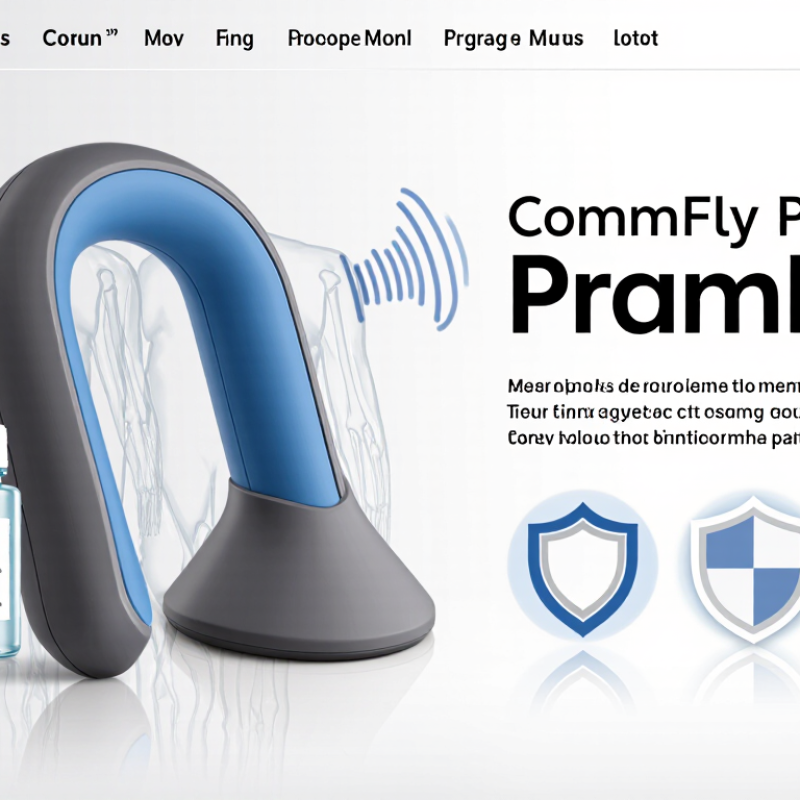
Understanding the Comfly Prostate Massager begins with separating product design from medical promises. This device is generally marketed as an intimate wellness tool. It may use a curved shape, soft silicone, vibration, and controlled pressure to reach the prostate area through the rectum. The intended sensation can feel like focused internal stimulation. It should never feel sharp, burning, or forceful.

Urologist Dr. Rena Malik offers a useful safety principle: “Comfort and safety should guide every intimate health decision.” That idea belongs at the center of this topic. The Comfly Prostate Massager does not diagnose prostatitis, enlarged prostate, erectile dysfunction, or any other condition. It is not a replacement for a qualified medical examination. Its function is mechanical, not therapeutic in the clinical sense.

Start gently. Use generous water-based lubricant and clean the device before and after use. A flared base is important because it helps prevent complete insertion. Stop immediately if bleeding, severe pain, numbness, fever, or persistent discomfort appears. People with active hemorrhoids, rectal injuries, unexplained pelvic pain, or recent surgery should seek medical advice first.

The practical experience may differ from the product description. Some users notice relaxation, while others feel pressure or no benefit. That uncertainty matters. Marketing language can sound more confident than the available evidence. This introduction will examine how the Comfly Prostate Massager is shaped, how vibration and pressure may work, and where personal experimentation should end. Safe use requires patience, realistic expectations, and honest attention to the body’s response.
What Is Comfly Prostate Massager and How Does It Work?

What Is the Comfly Prostate Massager?

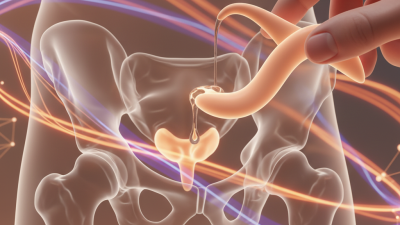
A prostate massager is an adult sexual wellness device designed to apply gentle pressure or vibration near the prostate. The prostate sits below the bladder, in front of the rectal wall. A curved, rounded tip may help reach this area more comfortably. Most models include simple controls for vibration strength and speed. The device does not diagnose or treat prostate conditions. Its purpose is personal stimulation, not medical therapy.

When used carefully, vibration can create focused sensations and encourage relaxation. Start slowly, and never force the device into the body. Use generous water-based lubricant and clean the massager before and after use. A gradual approach matters. Stop immediately if you feel sharp pain, lasting discomfort, numbness, or bleeding. People with rectal injuries, recent surgery, unexplained pain, or certain prostate conditions should ask a qualified healthcare professional first. I would not assume stronger vibration means better results. That idea sounds attractive, but comfort and control are more important.

Tips: Trim sharp nails and stay relaxed. Choose a device with a secure base or retrieval handle. Never share it without proper cleaning and protection. Read the manufacturer’s care instructions, even when they seem obvious. Small details matter. If discomfort continues, seek medical advice instead of experimenting further.
Key Components and Design Features

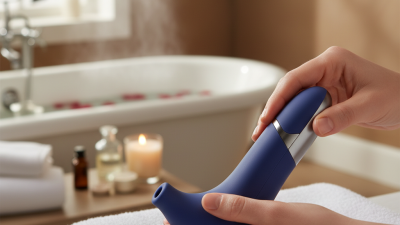
A prostate massager is designed to provide targeted stimulation through a curved, body-safe form. Its rounded tip helps reduce pressure during insertion, while a flared base supports safer handling. The base should remain outside the body. This feature is essential, not decorative.

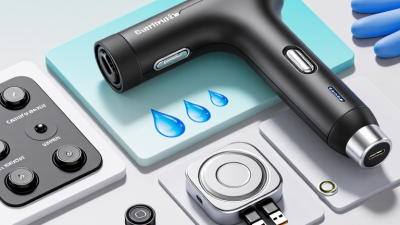
Many models use soft, nonporous silicone over a firm inner structure. The silicone feels smooth and is easier to clean than porous materials. Some designs include a flexible neck, which can follow natural body movement. Others add vibration through a small motor, offering several intensity levels. Simple controls matter. They should be easy to operate without changing grip. A sealed, rechargeable design can also improve convenience, but waterproof claims should be checked carefully.

Tips: Use plenty of water-based lubricant and begin slowly. Clean the device before and after use. Never share it without proper protection. Stop immediately if sharp pain, bleeding, numbness, or lasting discomfort occurs. A healthcare professional can help when symptoms continue.

In my view, comfort depends more on fit than on extra settings. A larger device is not automatically better. Body shape, relaxation, and experience all affect usability. The design can assist, but it cannot replace patience or medical advice. Some product descriptions sound more certain than the evidence allows. That deserves careful attention.

What Is a Prostate Massager and How Does It Work?

A prostate massager is an ergonomically shaped personal device designed to apply controlled external or internal pressure near the prostate area. Its rounded tip, curved profile, stable base, and optional vibration are intended to support comfort, positioning, and controlled stimulation.

Design context: The prostate is commonly described as approximately 4 cm wide, 3 cm high, and 2 cm deep in a typical adult. These approximate anatomical dimensions help explain why prostate-focused devices generally use a compact, curved, rounded design rather than a straight or sharply pointed shape. Individual anatomy varies, so any device should be used with sufficient lubrication, gradual pressure, and attention to comfort.

How the Comfly Prostate Massager Works

How the Prostate Massager Works

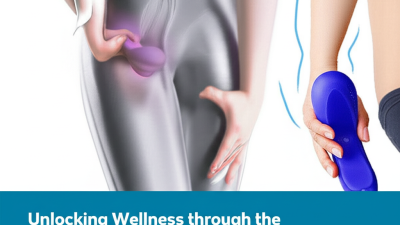
A prostate massager is designed to apply gentle pressure near the prostate through the rectum. Its curved shape helps position the tip toward the front wall, where the prostate is commonly located. Some models use controlled vibration, while others rely on slow, manual movement. The pressure should feel mild and manageable, never sharp or forced. Small adjustments matter.

In practical use, generous water-based lubricant reduces friction and improves comfort. Relaxing the pelvic muscles is equally important. I have found that patience matters more than intensity, although individual responses can differ. It is not a magic solution. The device may create temporary pressure, relaxation, or heightened sensation, but it cannot diagnose or treat prostate disease. Clean the device before and after use, and follow the manufacturer’s cleaning guidance. A flared base can help prevent the device from moving too far inside.

Stop immediately if you notice pain, bleeding, numbness, dizziness, or unusual discomfort. People with rectal injuries, active infections, recent pelvic surgery, or unexplained prostate symptoms should seek medical advice first. A healthcare professional can explain whether this type of device is appropriate. Comfort and safety should guide every step.

How to Use It Safely and Correctly

A prostate massager is a body-safe device designed to apply gentle pressure inside the rectum. Some people use it for sexual pleasure, while others explore prostate stimulation for personal awareness. It is not a treatment for prostate disease. Medical evidence about claimed health benefits remains limited.

Wash the device before and after use with warm water and mild, unscented soap. Check it for cracks, rough edges, or loose parts. Use plenty of water-based lubricant, even if the material feels smooth. Trimmed fingernails and relaxed muscles matter. Insert slowly, with the flared base remaining outside the body. Never use an object without a secure stopping feature. Stop immediately if you feel sharp pain, heavy pressure, dizziness, or bleeding.

Begin with a short session and low pressure. Your body may need time to adjust. Do not force deeper insertion or chase stronger sensations. I would not treat discomfort as something to push through; that assumption can cause injury. Clean the device again, dry it fully, and store it separately in a clean pouch. Do not share it without proper sterilization. People with rectal injuries, active hemorrhoids, infections, recent surgery, bleeding disorders, or blood-thinning medication should ask a qualified healthcare professional first. Persistent pain or bleeding needs medical attention, not another attempt.

What Is a Prostate Massager and How Does It Work? — How to Use It Safely and Correctly

Topic Evidence-Based Information Safe-Practice Notes
What it is A prostate massager is an insertable device designed to apply gentle pressure or vibration near the prostate through the rectal wall. It is a personal wellness device, not a substitute for medical diagnosis or treatment.
How it works The device may provide external pressure or vibration to tissues around the prostate. Sensations and effects vary from person to person. Use the lowest comfortable intensity and stop if there is pain, bleeding, numbness, or unusual discomfort.
Common purpose Some adults use these devices for sexual stimulation or personal exploration. There is not enough evidence to treat prostatitis, benign prostate enlargement, erectile dysfunction, or other medical conditions with a massager.
Before use Read the device instructions, inspect it for cracks or sharp edges, wash your hands, and ensure the device is clean. Do not use a damaged device. A device intended for anal insertion should have a wide stopper or flared base to prevent complete insertion.
Lubrication Generous lubricant helps reduce friction and the risk of small tears. Check material compatibility: oil-based products can damage some silicone materials, while water-based lubricant is generally compatible with most devices.
Insertion technique Relax, proceed slowly, and insert only as far as is comfortable. The prostate is located several centimeters inside the rectum, toward the front of the body. Never force insertion. Keep the flared base outside the body and maintain control of the device at all times.
Duration and intensity There is no medically established standard duration or intensity for recreational use. Start briefly and gently. Avoid prolonged, forceful pressure or high vibration that causes discomfort.
When to avoid use Avoid insertion during active rectal bleeding, anal fissures, significant hemorrhoid pain, recent rectal surgery, or unexplained rectal pain. People with bleeding disorders, reduced sensation, or medicines that increase bleeding risk should ask a healthcare professional first.
Medical symptoms Painful urination, fever, pelvic pain, blood in urine or semen, difficulty urinating, or persistent urinary symptoms may require medical evaluation. Do not use a massager to self-treat suspected prostatitis or a urinary infection. Seek professional care instead.
Cleaning Clean the device before and after each use according to its material and manufacturer instructions. Use mild soap and warm water when appropriate, rinse thoroughly, dry completely, and store it in a clean, dry place.
Sharing and hygiene Sharing an insertable device can transfer bacteria, viruses, and sexually transmitted infections. Do not share the device, or use a new condom over it for each person and each body area.
Stop and seek help Stop immediately if there is significant pain, persistent bleeding, dizziness, fever, or a device becomes stuck. Heavy bleeding, severe pain, inability to remove the device, or trouble urinating requires urgent medical attention.

Important: This information is for general education. Consult a qualified healthcare professional for persistent symptoms, diagnosed prostate conditions, or questions about personal safety.

Potential Benefits, Risks, and Care Guidelines

A prostate massager is an insertable device designed to apply gentle pressure near the prostate. Some users report temporary relaxation, heightened sensation, or easier pelvic-floor awareness. However, clinical evidence remains limited. A 2023 systematic review in Sexual Medicine Reviews described prostate-stimulation studies as small, varied, and insufficient for firm treatment claims. The evidence is thinner than marketing often suggests.

Potential risks include pain, rectal bleeding, tissue irritation, and infection. NIDDK estimates chronic prostatitis or chronic pelvic pain syndrome affects 2–10% of adult men, but massage is not a proven cure. Avoid use during active hemorrhoids, anal fissures, unexplained bleeding, recent rectal surgery, or suspected infection. Ask a clinician before use if taking blood-thinning medicine. Stop immediately if sharp pain, dizziness, fever, or persistent bleeding occurs. Safety comes first.

Wash hands and the device before and after use. Follow its cleaning instructions carefully. Use generous water-based lubricant, trim sharp nails, and move slowly. Never force insertion or use a device without a retrieval base. A condom may simplify cleaning, especially when sharing is possible; sharing without proper protection increases infection concerns. Inspect the surface for cracks after every session. These details seem ordinary, but they are easy to overlook. Professional advice is important when symptoms continue, because discomfort may reflect prostatitis, hemorrhoids, or another condition requiring diagnosis.